

2020 Ontario Pre-Budget Submission

A SYSTEM IN NEED OF REBALANCING
Helping Ontarians live well at home through home and community care
Introduction
At the heart of our health care system are Ontarians who need and receive critical health services at home and in their communities. This point is often lost in the discussions about hallway health care, the alternate level of care (ALC) issue and health system transformation. This submission will tell the stories of Eric, Joy and Albert to illustrate the way the current health care system shapes the lives of everyday Ontarians and how the impact of home and community services can help to rebalance outcomes.
In 2019, a record 5,400 patients in Ontario hospitals were designated ALC and in June, there were over 1,000 people being treated in hospital hallways across the province.1 Not only is this an ineffective use of limited resources, it is a situation that no patient or family member wants to experience. In fact, the cost of caring for a single patient using an ALC bed for one year is comparable to three people living safely and independently at home and in their communities in the same period.
DOWNLOAD FULL REPORT
Our health system needs to be drastically, yet safely, rebalanced to better serve people. Home and community care services have untapped potential to help end hallway health care and reduce the demand for more expensive institutional settings like hospitals and longterm care. A recent study found that the biggest concern of people transitioning home from hospital was not enough publicly funded home care services to meet their needs.2 The development of Ontario Health and Ontario Health Teams (OHTs) are a key opportunity to strengthen the home and community care sector by enhancing integrated care across the entire health care system.
We know that if no changes are made, the waiting list for long-term care is expected to balloon to 40,000 people over the next few years. This is a situation that can be alleviated. Last year, almost 18,000 people living in longterm care homes could have continued to live at home and in their communities if the proper supports were available and appropriately funded.
Ontarians, like Joy and Eric, wish to receive care at home and in their community, but systemic issues can prevent that from happening, costing all of us in the long run.
Share
More Updates

OCSA has partnered with Cowan Benefits™ as our preferred group benefits partner to help member organizations explore flexible, sustainable employee benefits solutions tailored to the community support and not-for-profit sectors. As the OASSIS program transitions, Cowan will provide OCSA members with expert guidance, dedicated support and flexible group benefits options designed to balance affordability, stability and employee wellbeing. Whether organizations are looking for comparable coverage, greater flexibility or a longer-term benefits strategy, Cowan will work with them to identify solutions that meet their needs and support a smooth transition.
Renewed federal investments must protect gains in home care and address growing gaps in community support services
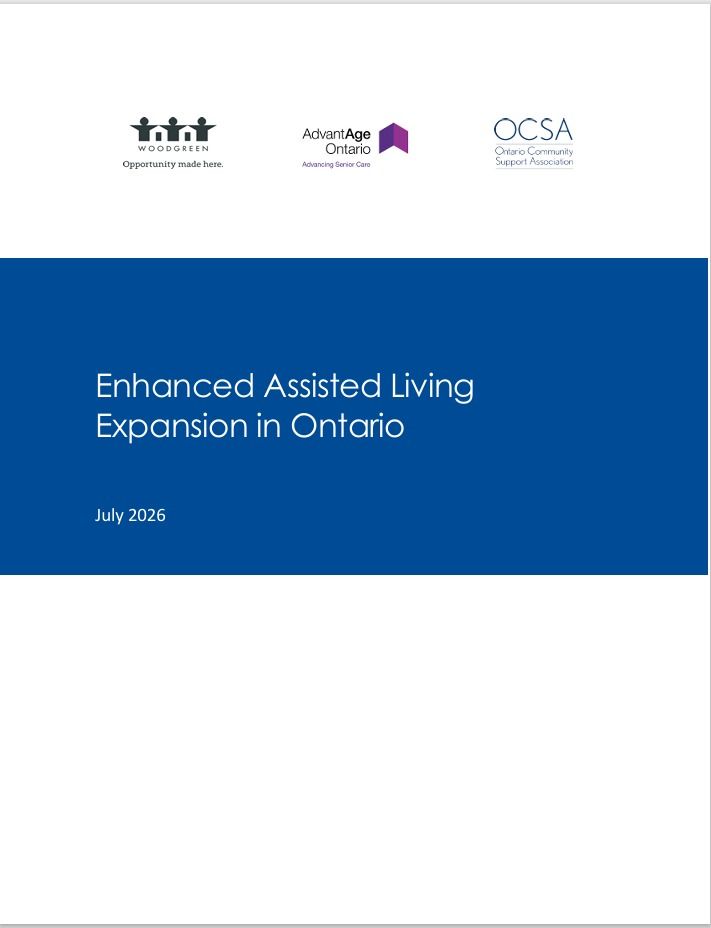
"Enhanced Assisted Living Expansion in Ontario” report also calls for government support to expand unique models of care.
