

Maclean's | Demand for Meals on Wheels—and the Volunteers Who Make It Possible—Is Soaring
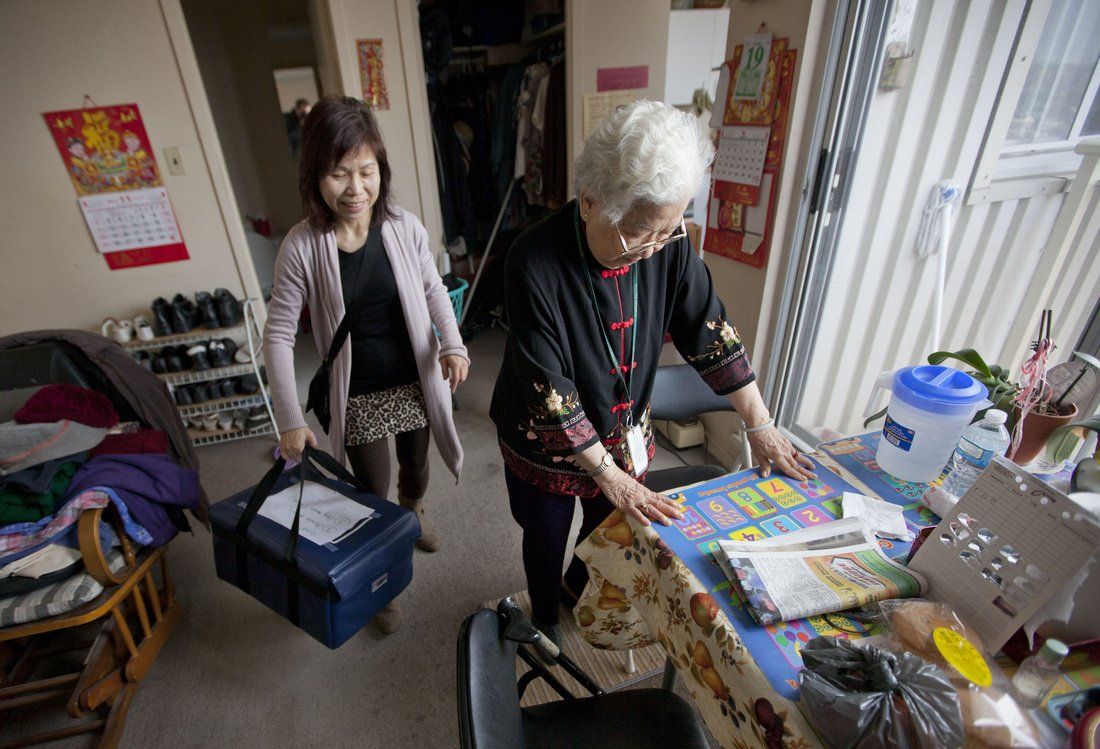
Community support service providers are entering their busiest season, as the demand for meals and essentials shows no sign of slowing down.
December 7, 2021 - Maclean's
Low-cost meal delivery services have become fundamental components of communities across the country, mostly by way of local Meals on Wheels agencies. Hundreds of thousands of adults in Canada—from seniors and their care workers to people with disabilities—count on the affordable and nutritious meals the services deliver. Many also look to the volunteers for companionship.
Independently-run agencies that prepare and deliver meals exist in almost every province, running primarily on irregular donations and government funding. In Ontario, 74 of the province’s Meals on Wheels providers are members of the Ontario Community Support Association, which helps them with advocacy work and government relations. Without the association, the individual providers “wouldn’t have a voice with the provincial government”, said the association’s CEO Deborah Simon.
As Meals on Wheels providers rev up for their busiest winter season to date, Nathan Sing spoke to Simon and Shannan Ketchabaw, the executive director of Meals on Wheels provider Sudbury Meals, on the staggering demand for low-barrier food delivery services and why nutritious food should be treated as preventative health care.
Read the entire article
written by Nathan Sing at Maclean's online.
Share
More Updates
"Enhanced Assisted Living Expansion in Ontario” report also calls for government support to expand unique models of care.
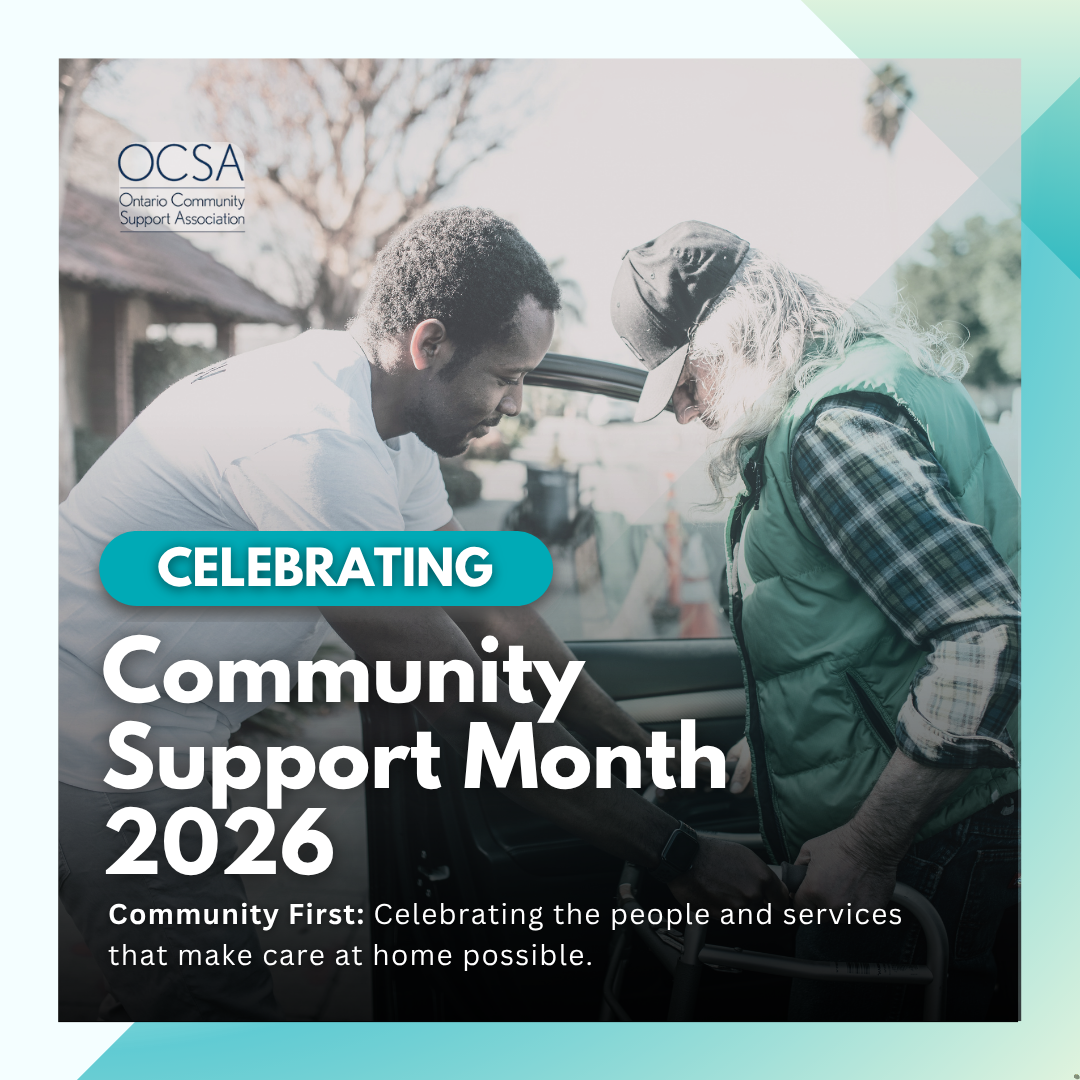
ONTARIO, October 1, 2026 — The Ontario Community Support Association (OCSA) is marking the start of Community Support Month, recognizing the essential services, and the people behind them, that help Ontarians live safely, independently and connected at home and in their communities. This year’s theme, “Community First: Celebrating the people and services that make care at home possible,” highlights the role of community support in helping people live, recover and age in the places they know and where they feel they belong. Across Ontario, not-for-profit organizations provide services such as Meals on Wheels, transportation, adult day programs, assisted living and supportive housing, respite, homemaking, friendly visiting and hospice care. These services support independence and quality of life, help caregivers, and enable people to live safely at home for longer. They also strengthen the health system by helping prevent avoidable emergency department visits and hospital admissions, delaying or avoiding the need for long-term care, and supporting safe transitions home after a hospital stay. “Care at home is made possible by a network of people and services working together every day,” said Lori Holloway, CEO of OCSA. “Community Support Month is an opportunity to recognize that work and the difference it makes for individuals, families and communities across Ontario. It is also a reminder that strong community support is essential to a strong health system.” Community support organizations are deeply rooted in the communities they serve. Staff, volunteers and partners respond to local needs, helping older adults and people with disabilities access practical assistance, social connection and ongoing support. As demand grows and people’s needs become more complex, these organizations face increasing pressures related to funding and workforce capacity. Recognizing their contribution also means supporting their ability to continue delivering the services people rely on. Throughout October, OCSA is encouraging member organizations, community partners and Ontarians to celebrate community support by sharing stories, recognizing staff and volunteers, and highlighting the impact of services delivered at home and close to home. “Behind every meal delivered, ride provided or opportunity for connection are people who make community care possible,” added Holloway. “This month, we celebrate their dedication and invite Ontarians to learn more about the services helping people remain independent, supported and connected.” OCSA invites the public to join the conversation using #CSM2026 and learn more at www.ocsa.on.ca . Media Contact: Karla Sealy Ontario Community Support Association (OCSA) karla.sealy@ocsa.on.ca 416-256-3010 / 1-800-267-6272 ext. 242 About the Ontario Community Support Association (OCSA) The Ontario Community Support Association (OCSA) is the leading voice for home and community care in Ontario, representing hundreds of not-for-profit organizations delivering both home care and community support services across the province. OCSA members provide essential services including nursing, personal support and therapies; Meals on Wheels, transportation, caregiver supports, and other programs that help people remain safely in their homes and communities. Serving over one million Ontarians each year, OCSA works with government and system partners to advance integrated, community-based care as a cornerstone of a sustainable health system.

September, 2026 - Meals on Wheels Ontario is excited to partner with the LCBO on a province-wide fundraising campaign to support food security for seniors and people with disabilities across Ontario. Customers can purchase a reusable LCBO and Meals on Wheels tote bag, designed by Ontario artist Sarah Farquhar, at participating LCBO stores and online . 100% of proceeds from the tote bag campaign will be donated to Meals on Wheels Ontario to provide meals to seniors and people with disabilities. Funds raised through the campaign will help support clients experiencing financial hardship and help reduce barriers to accessing nutritious meals. Looking for a tote bag? Find a participating LCBO store near you. You can also purchase a tote bag online through LCBO. Share your support Picked up a tote bag? We’d love to see it! Share a photo of your tote bag on social media and tag Ontario Community Support Association so we can see and share your campaign moments. See more at MOW and LCBO Tote Campaign | Meals on Wheels | ON
